Print the sail, not a patch of it.
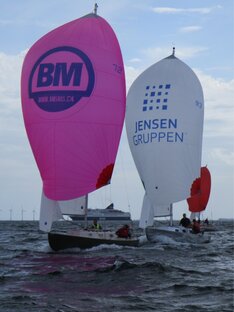
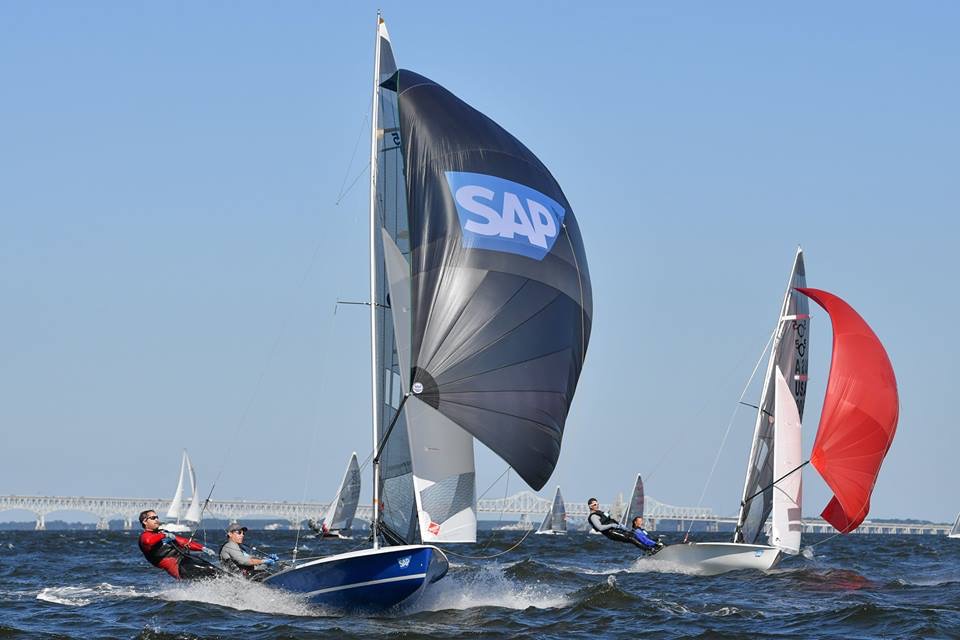
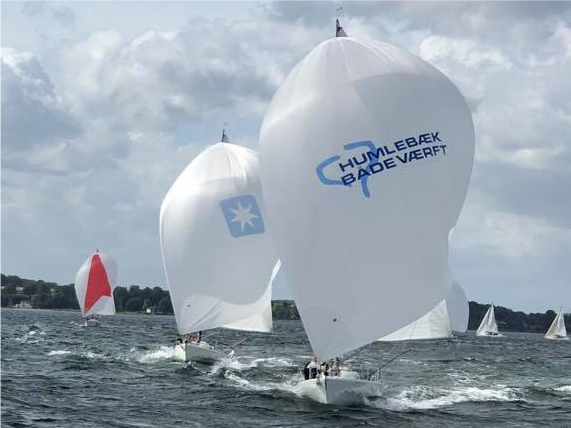
SPI-PRINT goes directly onto spinnaker cloth, in full panel lengths, before the sail is assembled. A single logo or the entire surface — the graphic becomes part of the sail rather than something stuck to it.
The panels are printed flat, then the loft sews the sail.
This is the part that decides everything else. We print on the panels prior to assembly, working from the sailmaker’s own 3D geometry so the artwork lands where it should once the sail has shape. Your loft then cuts and sews exactly as it always does.
It is also why a full-surface graphic has to be planned before the build. Once a spinnaker is sewn together, printing the whole sail is no longer on the table — that is what DRY-INK is for, within limits.
- Full panel lengths, not tiles or patches
- From one sponsor logo to the complete sail surface
- Any supplied image: logos, photography, illustration
- Lighter than painted sail graphics
- Built from your sailmaker’s own sail geometry
SPI-PRINT in numbers.
Prices are not published — most people find them lower than they expect. Send the sail and the artwork and you will have a figure.
Straight answers.
More on the answers page.
Can the whole spinnaker be printed?
Yes — that is what SPI-PRINT is for. Full-surface artwork is normal, provided the graphic is planned before the sail is assembled.
Full answer →How much weight does it add?
Less than painting the sail. Conventional painted sail graphics weigh around 28 g/m²; SPI-PRINT sits below that.
Full answer →Does my loft have to change anything?
No. We print the panels; your loft cuts and sews exactly as it always does.
Full answer →What artwork do you need?
Vector artwork — PDF, AI, EPS or SVG, fonts converted to outlines. A rough visual is enough to start the conversation.
Full answer →